
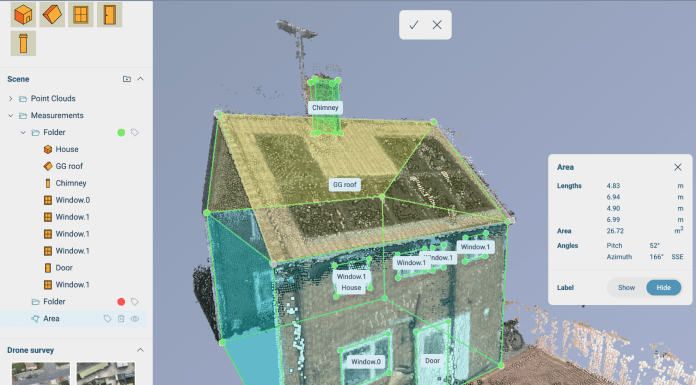
Procurement for Housing (PfH) has appointed 27 suppliers to the fifth generation of its Social Housing Emerging Disruptors (SHED) framework
This year’s SHED cohort is the largest since the framework was first established in 2022.
The new generation of the framework – SHED 5 – is worth £500m over three years, up from £100m for the previous iteration.
Seeking procurement solutions from non-traditional routes
PfH has worked again with social housing membership community the Disruptive Innovators Network (DIN) to identify early stage tech firms whose services solve challenges facing the sector but can’t be sourced easily through traditional public procurement routes.
These products are new or highly specialised, and this means social housing procurement teams often lack the technical reference points needed to specify them or compare competing offers, meaning they don’t fit easily into established procurement routes.
On the other side, small suppliers have difficulty breaking into the social housing market, excluded by complex bid documentation, high financial thresholds and other tender requirements designed for established contractors.
SHED offers a simplified, SME-friendly bidding process and a compliant way of social landlords testing and adopting new solutions. Through a desk-based selection process, they identify the supplier that best meets their requirements, get pricing information and swiftly complete the contracting process.
This year’s suppliers offer a broad mix of emerging solutions, including:
- Modular housing panels made from recycled glass,
- A self-testing fire door that monitors its own compliance,
- A platform predicting home hazards and health risks,
- A smart heat scheduler allowing residents to better control their heating costs,
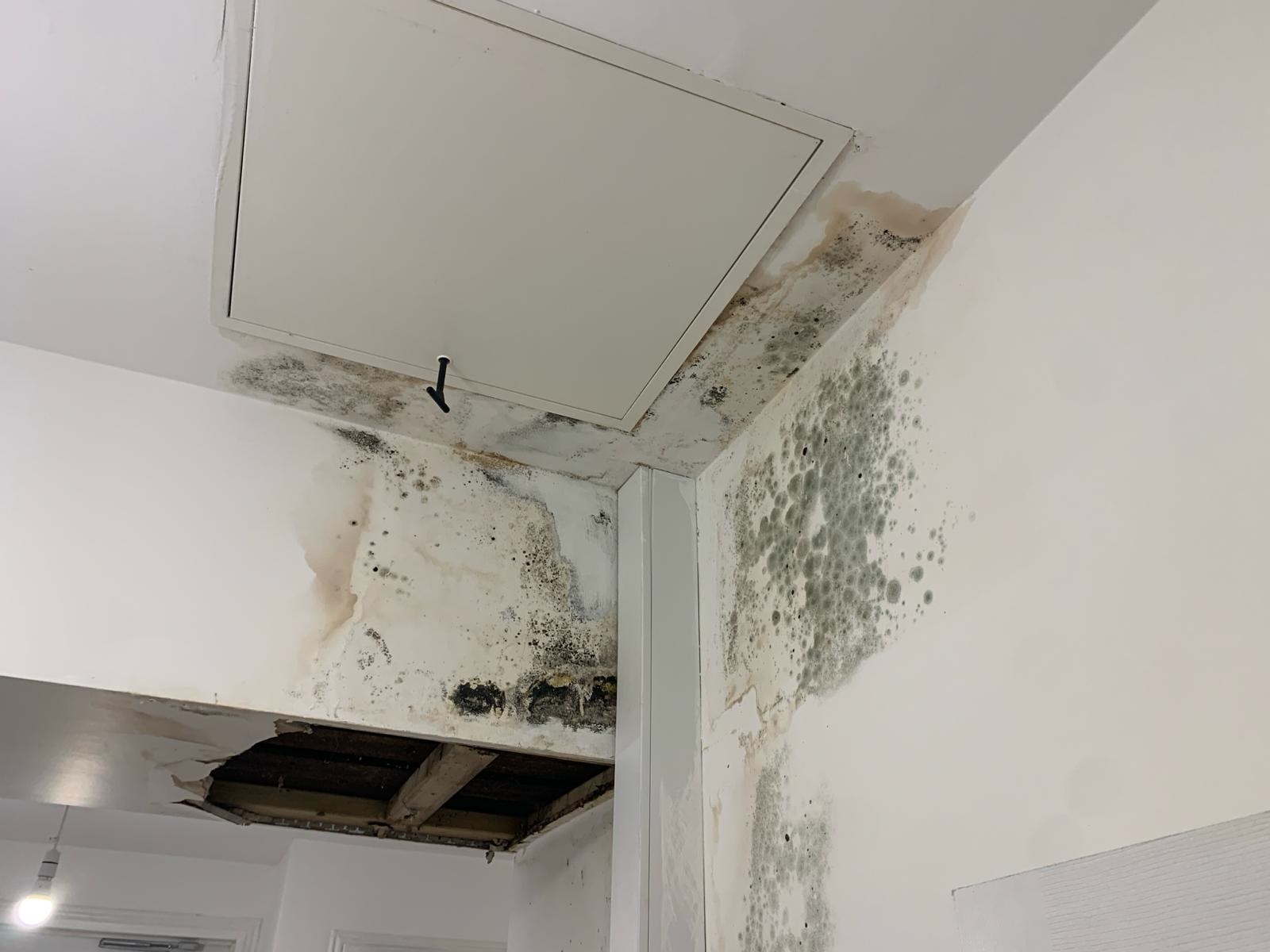
- A long term anti-mould coating system ,
- And a solution to helps social landlords engage and communicate more meaningfully with their residents.
Enabling SME social housing providers to meet housing demand
Neil Butters, operations director at PfH said: “SHED was created to address a practical problem: housing providers needed access to emerging tech solutions, and smaller suppliers needed a route into a highly regulated market. Five generations on, the data shows that this model works. We are seeing more social landlords than ever using SHED to procure innovation, and more SMEs able to scale fresh solutions to persistent challenges such as damp and mould, building safety, digital switchover, decarbonisation, tenant wellbeing, asset management and housing supply.”
Annemarie Roberts, associate director and property lead at the Disruptive Innovators Network, said: “The social housing environment is more challenging than ever before, with teams dealing with many here and now issues, as well as trying to be ready for future challenges. Finding innovative, future-focused solutions that can be easily procured is exactly where the SHED framework can help.
“SHED 5 also supports the government’s reforms that overhaul public purchasing rules to make them simpler, more flexible and transparent and have a focus on opening up contracts to SMEs and more diverse suppliers.”
Louis Daillencourt, director of housing and energy at SHED 5 supplier, Novoville said: “We’re delighted to have been selected as part of this framework to deliver innovation to the heart of the RSL sector. Social housing providers do a great job, and they deserve tools that are responsive to their needs in a fast moving landscape. Budgetary pressures mean digital solutions need to deliver strong return on investment for public authorities, and Shared Works is proven to save teams significant time and budget administering asset upgrade and retrofit schemes.”
The post 27 firms appointed to £500m social housing emerging disruptors framework appeared first on Planning, Building & Construction Today.