
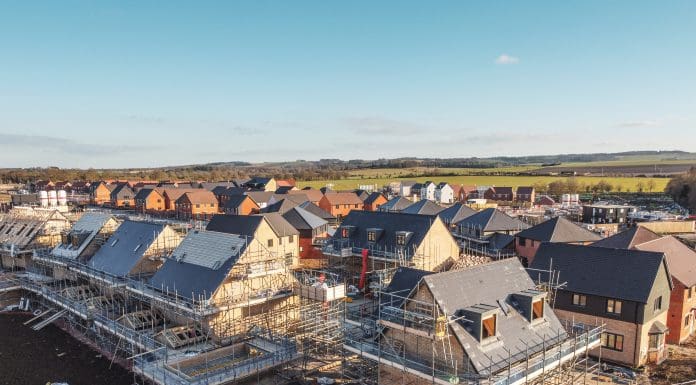
As the Future Homes Standard, Future Buildings Standard and evolving energy assessment methodologies reshape the built environment, project teams need more than individual assessments. They need a joined-up strategy
The UK construction industry is entering a significant period of regulatory and technical change.
The Future Homes Standard (FHS) and Future Buildings Standard (FBS), together with SAP 10.3 and the anticipated transition to the Home Energy Model (HEM), will reshape how buildings are designed, assessed and delivered.
While much of the discussion has focused on heat pumps, insulation and carbon reduction, the implications extend beyond individual technologies and compliance metrics. Energy efficiency, overheating, ventilation, water efficiency, renewable technologies and construction quality can no longer be considered in isolation.
A new era of building performance
The Future Homes Standard represents far more than another update to Part L.
The industry is moving towards highly efficient buildings supported by low-carbon technologies, with similar ambitions applying across non-domestic buildings through the Future Buildings Standard.
SAP 10.3 will initially provide the approved methodology for demonstrating compliance with the Future Homes Standard. The subsequent introduction of HEM will further evolve how domestic energy performance is assessed, providing a more detailed methodology and a platform for future assessment requirements.
Future compliance will increasingly focus on performance and integration rather than isolated regulatory exercises.
Renewable electricity generation moves centre stage
Another important change is the introduction of a specific requirement for on-site renewable electricity generation.
The 2026 edition of Approved Document L introduces Requirement L3 for new dwellings and buildings containing dwellings, subject to applicable exceptions. Solar PV is therefore likely to form an integral part of the regulatory and design strategy for many developments.
Successful integration requires more than adding panels to a roof. Building orientation, roof design, shading and site constraints all influence the renewable electricity generation strategy.
The end of standalone compliance
The need for a joined-up strategy extends far beyond renewable electricity generation.
Many aspects of Building Regulations have historically been considered independently, but this approach is becoming increasingly difficult to sustain.
A glazing specification selected to improve Part L performance may influence overheating outcomes under Part O. Airtightness targets affect ventilation requirements under Part F, while heating choices affect EPC outcomes and overall building performance.
The challenge is no longer understanding individual regulations. The challenge is understanding how they interact.
From planning to completion: A joined-up approach
Many of the decisions that determine Building Regulations compliance are made long before the submission is prepared.
Planning-stage commitments around sustainability, renewable technologies, building orientation and energy performance establish the framework that the rest of a project must follow.
The most successful projects are those where compliance is considered from planning stage through to final certification.
MES Building Solutions provides continuity, delivering expert support throughout the entire development journey. Our multidisciplinary team provides everything from Energy and Sustainability Statements and Daylight & Sunlight Assessments to energy modelling, Building Regulations compliance, and in-house airtightness and ventilation testing.
This joined-up approach helps identify the implications of design decisions, reduce conflicting assumptions and minimise late-stage redesign. Rather than treating each requirement separately, MES helps clients develop a coordinated strategy that considers the building as a whole.
One building. One strategy. One compliance partner.
Supporting industry understanding through CPD
Understanding the practical implications of regulatory change is becoming just as important as achieving compliance.
MES Building Solutions delivers CPD seminars and webinars covering the Future Homes Standard and Home Energy Model, Part O overheating, daylight and sunlight, retrofit, air leakage and ventilation.
Drawing on experience from live projects, the sessions help developers, architects, contractors and housing professionals understand emerging requirements, assess their implications for design and make informed decisions before compliance challenges arise.
View the current programme of MES CPD seminars and webinars.
Preparing for the future
The Future Homes Standard, Future Buildings Standard and evolving energy assessment methodologies will reshape the built environment.
As energy efficiency, overheating, ventilation, water use, renewable electricity generation and construction quality become increasingly connected, the value of coordinated compliance support will continue to grow.
MES Building Solutions brings planning-stage consultancy, regulatory expertise and on-site verification together, helping project teams manage that transition with clarity and confidence.
Tomorrow’s buildings require informed decisions, technical coordination and a clear understanding of how every stage influences the next.
One building.
One strategy.
One compliance partner.
Please note: This is a commercial profile
The post The Future Homes Standard: Why one compliance strategy matters more than ever appeared first on Planning, Building & Construction Today.