
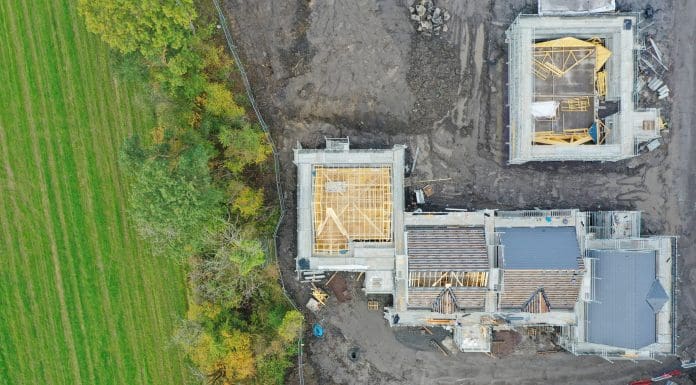
The team at the Eden Project reflect on the importance of nature recovery, and building with nature in mind
It’s a critical time for nature, which means it’s a critical time for people too. As one of the most nature-depleted countries in the world, we know the UK needs to rapidly up its game in finding ways to support nature. With only 2% of our ancient woodlands and 3% of wildflower meadows left, we are witnessing significant nature loss in both the diversity and abundance of species in every part of the country.
This is everyone’s problem. No community, industry or government is immune to the impacts of nature loss, but if we can reverse this downward trajectory, then everyone stands to benefit too.
Behind the nature crisis is a nature-funding crisis
Year on year, we fall short nationally and globally in funding nature, so year on year, the problem gets worse. We need to find new ways to support nature, including new types of partnerships that combine different skill sets, establishing more nature-related leadership in the boardroom, and integrating nature into core business planning.
Investing in nature is an investment in quality and resilience. Both are good things for business, especially the construction industry. Nature is also a fantastic muse, inspiring us to think differently, supporting problem-solving and helping us to create places that are both beautiful and useful.
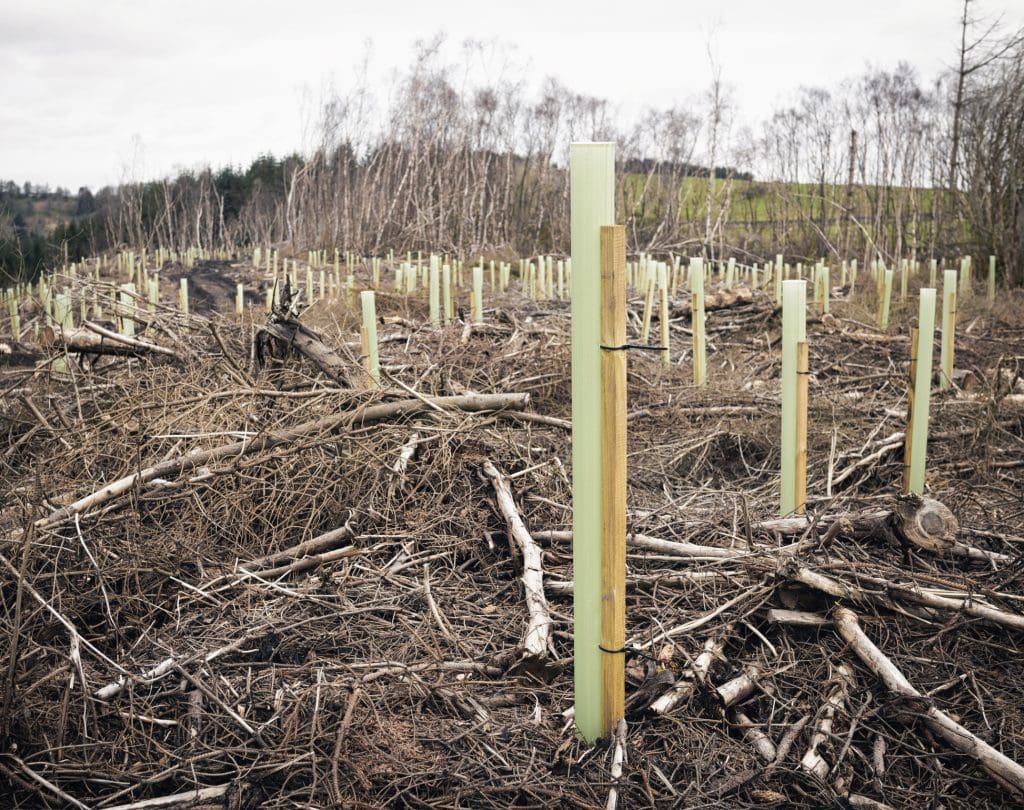
We also need to start thinking about the more-than-human community. In addition to us, the UK is home to more than 70,000 species. Their ‘housing’ has shrunk dramatically over the last 70 years. We need to give greater thought to where they live now, where they will need to live, and how they can move in response to climate change. We need to be better neighbours to nature, and we need to think bigger.
Hedgehog highways, swift boxes and hibernacula are important, but we also need to create opportunities for nature that operate at a landscape scale, connecting habitats to each other across developments. We need habitat creation and enhancement to happen in swathes, not just pockets; we need to limit fragmentation and start to piece nature back together.
Thinking in this way also creates better places to live for people
We know that access to nature has significant benefits for people’s health and well-being and that it supports learning and development, especially in young children. Nature-based play interventions, for example, offer significant ‘play value’ across a range of play types that provoke imagination, provoke problem solving and encourage collaboration.
In addition, the diversity nature brings offers significant health value across the lifespan from providing opportunities for physical exercise alongside activities that provide a sense of purpose and belonging. The more space we give to nature, the bigger these positive impacts we will create for ourselves.
Building with nature requires skills and imagination
The construction industry is a big player in how places are shaped and managed so we can’t change things at the scale and speed we need to without their know-how, involvement and commitment. We also to demonstrate connected leadership across sectors so we are partnering with BAM and the Canary Wharf group to share skills and insights, but also put that into action by collaborating on projects that showcase what we think needs to happen more widely.
In its most basic definition, a habitat is a place to survive. Nature is our habitat we can’t survive without it.
The post Building with nature in mind: Why is it needed appeared first on Planning, Building & Construction Today.
