
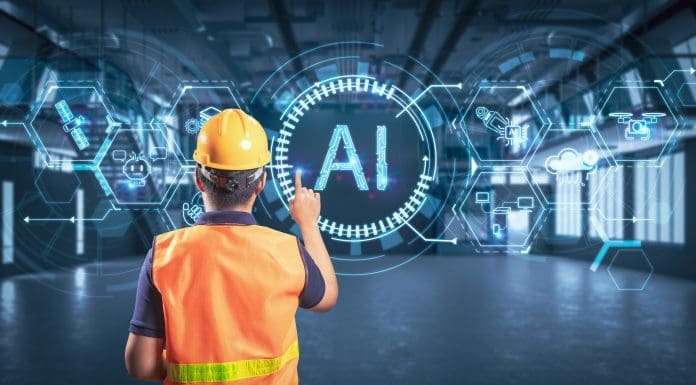
In this article, Yves Padrines, CEO of the Nemetschek Group, explores how AI, technology and collaboration are driving a new era of intelligence and transformation across the global construction industry
As 2025 draws to a close, the AEC/O industry worldwide faces a real challenge. Projects cost more. Skilled workers are missing. Bureaucracy slows everything down. These problems stretch from North America to Asia. Still, big change is in the air.
Digitalization and sustainability are no longer just talk; they’re the foundation for tomorrow’s industry. And instead of just crunching numbers, today’s smart AI doesn’t just observe; it acts.
Agentic AI systems proactively make decisions and coordinate actions, especially when things get complex on site. Walk on to any construction site and you’ll see the shift. Increasingly, tablets are replacing clipboards, while teams tackle blueprints with real-time data at their fingertips.
These systems spot risks, step in early and help keep projects moving. Thanks to AI, delays are caught early and plans stay up to date so teams spend less time waiting and more time building.
And it’s not just the big builders driving change. Smaller companies are catching up fast, using shared know-how and hands-on training. The new generation of AI – foundation models – enables scalable solutions that adapt easily to new contexts.
Unlike classic AI, which needed large, specialised datasets and task-specific training, foundation models can be rapidly tailored to many construction projects. This fundamentally shifts what is possible: now, AI can support teams and connect data across even highly unique buildings, without reinventing the wheel for each scenario. The result is faster deployment and broader impact throughout the construction process.
Digital construction is not optional; it’s essential for competitiveness
Digitalisation is more than an efficiency booster. It replaces routine with intelligent workflows, enhances the attractiveness of construction jobs and helps companies stay competitive amid global labour shortages.
BIM and digital twins provide transparency from design through operation. Together with the use of AI, they turn fragmented data into reliable planning, improve cost controls and help avoid expensive errors on site.
Recent advances in generative and agentic AI are enabling the automation of complex tasks – from contractual risk analysis to safety monitoring – significantly reducing bottlenecks and human error.
These advancements foster resilient processes, a great advantage in a labour market where an estimated seven million construction workers are missing globally.
Sustainability is moving from being a compliance obligation to a true driver of value creation. It’s impossible to miss: nearly 40% of global CO₂ emissions originate from the construction industry – a compelling reason to use resources more efficiently, rethink materials and design self-sustaining processes.
ESG reporting is increasingly seen as an opportunity to proactively measure and showcase sustainability efforts, rather than just fulfilling a requirement.
Sustainability: From obligation to true value driver
Intelligent platforms, connected building data and automation are helping companies measure energy use, emissions and recycling capacity with precision. Investments made today offer more than risk mitigation; they lead to regulatory compliance, add value to real estate portfolios and deliver clear competitive advantages.
One such example is integrating digital tools into property management: for automated sustainability reporting and streamlined operations, it means that data is continually captured and evaluated. This enables companies to spot energy losses, identify renovation opportunities and monitor ESG goals transparently. Such transparency aligns with evolving market demands and regulatory pressures.
Expectations from policymakers, investors and tenants for resource-efficient, sustainable building projects reflect a wider cultural shift. Societies are increasingly rejecting short-lived, energy-intensive construction methods. This demand is now firmly rooted in regulatory frameworks, from taxonomy legislation to mandatory ESG reporting.
Encouragingly, there are signs of bureaucracy declining as governments introduce digital approval processes, targeted funding and clear ESG agendas. These developments signal that the value of digitalisation for sustainability and competitiveness is being widely recognised.
Driving collaboration, automation and skills in construction’s digital transformation
In today’s rapidly evolving construction landscape, collaboration among governments, businesses and technology providers is proving to be a key driver of transformation. New funding programmes, partnerships and innovation initiatives are building bridges across real estate, infrastructure, technology and research, helping to spread sector know-how and strengthen professional training pipelines.
As a result, knowledge platforms and cross-disciplinary networks are flourishing in places where industry silos once prevailed, equipping a new generation with the skills needed to navigate change. AI-powered knowledge sharing and personalized learning platforms are creating new paths for upskilling workers, fostering both technical and strategic capabilities. At the heart of this progress, strategic investment in open digital platforms is enabling faster innovation cycles and producing measurable benefits for every stakeholder.
Automation and targeted upskilling are emerging as critical success factors for managing the building lifecycle efficiently and sustainably. The tangible impact of these efforts is evident in the real estate sector, where a blend of digitalisation and robust ESG strategies translates into greater operational efficiency, reduced costs, stronger and more resilient portfolios, and an enhanced ability to adjust to ever-shifting regulatory, market and environmental demands.
Mindset shift: The spirit of the new era
The industry’s mindset is experiencing a noticeable shift. Concerns are turning into concrete initiatives and competition is giving way to cooperation. OpenBIM initiatives champion open data exchange between software platforms, while local and regional clusters foster collaboration between SMEs, startups and research.
Digital learning platforms are facilitating targeted training and continual knowledge development. Collaboration between construction firms and technology innovators (through joint data analysis, automation, and sustainability platforms) provides further evidence that the industry is moving toward connected value chains rather than isolated work.
Agentic AI is already shaping workflows that adapt and optimise themselves, supporting teams with instant feedback on risks, costs and compliance, as highlighted in recent industry analysis and media coverage.
In place of fragmented solutions, new synergies are forming among planners, builders, managers and software providers. Professionals entering the sector today identify digitalisation and sustainability as essential skills. They work collaboratively, see processes not as departmental boundaries but as integrated flows and freely share knowledge – a shift that injects speed, creativity and resilience into construction at the global level.
Looking ahead: Building towards 2026
While construction faces ongoing challenges – from higher costs and labour shortages to tighter regulations – these problems also spark new opportunities.
Digitalisation, sustainability and openness pave the way to a stronger, more resilient sector. AI, especially agentic systems driving proactive decisions, will be crucial for progress.
As 2026 approaches, the industry is ready to rethink itself: digital tools will boost efficiency and teamwork, while smarter sustainability drives genuine business value. Collaboration across regions and disciplines will build infrastructure and climate-resilient communities for a brighter future.
*Please note that this is a commercial profile.
The post Entering a new season of intelligence with agentic AI, technology and collaboration appeared first on Planning, Building & Construction Today.