
A North East–founded recycler has launched a UK wide insulation panel recycling service to tackle one of construction’s most overlooked environmental problems
GAP Group North East’s insulation panel recycling service seeks to tackle one of construction’s most overlooked environmental problems: what happens to insulation at end of life.
Construction is responsible for around 62% of all waste generated in the UK and roughly a third of everything sent to landfill, despite national targets to drive that figure close to zero.
‘Disposable’ insulation does not degrade for hundreds of years
Insulation is essential for cutting operational carbon in buildings, but once removed from a roof, façade or cold store it is still too often treated as disposable.
That means composite and foam cored panels go into mixed skips, then into landfill, shredding or low grade incineration routes, where they can persist for centuries, releasing fragments in the form of microplastics, or releasing trapped blowing agents, harmful gasses and other pollutants.
Older insulated panels – especially legacy cold room and composite units – can contain foams blown with ozone-depleting substances or high global warming potential gases, which regulations say must be captured and treated rather than simply released during shredding, burning or uncontrolled disposal.
At the same time, plastic foam cores such as EPS and other petrochemical based materials do not biodegrade and can break down into persistent microplastics that spread through soil and water, adding to the wider plastic pollution crisis.
The insulation panel recycling process includes:
- Separating and recycling metal facings, reducing the need for virgin metal production and cutting associated carbon emissions.
- Treating foam cores and blowing agents in line with ozone depleting substance and climate regulations, rather than allowing gases to escape during demolition, burning or landfill.
- Establish a clear audit trail so contractors can evidence responsible management of one of their more complex waste streams and demonstrate progress against ESG and net zero commitments.
Processing rather than procrastinating construction waste
Panels collected from projects across the UK are processed through GAP Group’s specialist fridge recycling lines in Gateshead and Perth, where metal skins and insulation cores are separated and the gasses removed so that recyclable fractions can be recovered and hazardous components handled under strict environmental controls.
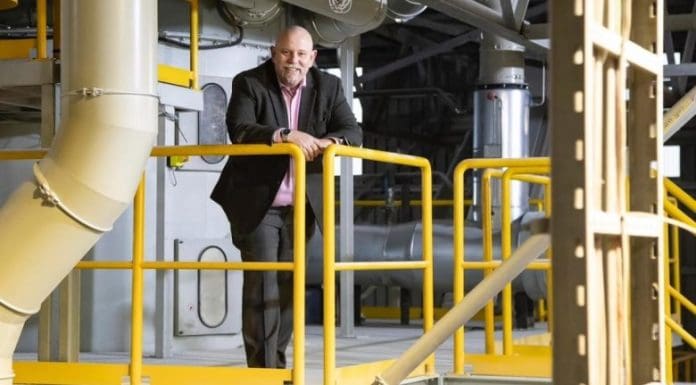
“Insulation has helped cut energy use in buildings, but if we just dump the panels at end of life, we are swapping one environmental problem for another,” said Peter Moody, CEO at GAP Group North East.
“By putting insulated panels through the same kind of highly regulated lines we use for fridges, we can recover metals, control and capture blowing agents, and stop these materials ending up as uncontrolled pollution or long term landfill burden. That means a real reduction in embodied carbon and environmental risk for our customers’ projects.”
The post UK wide insulation panel recycling service launched appeared first on Planning, Building & Construction Today.